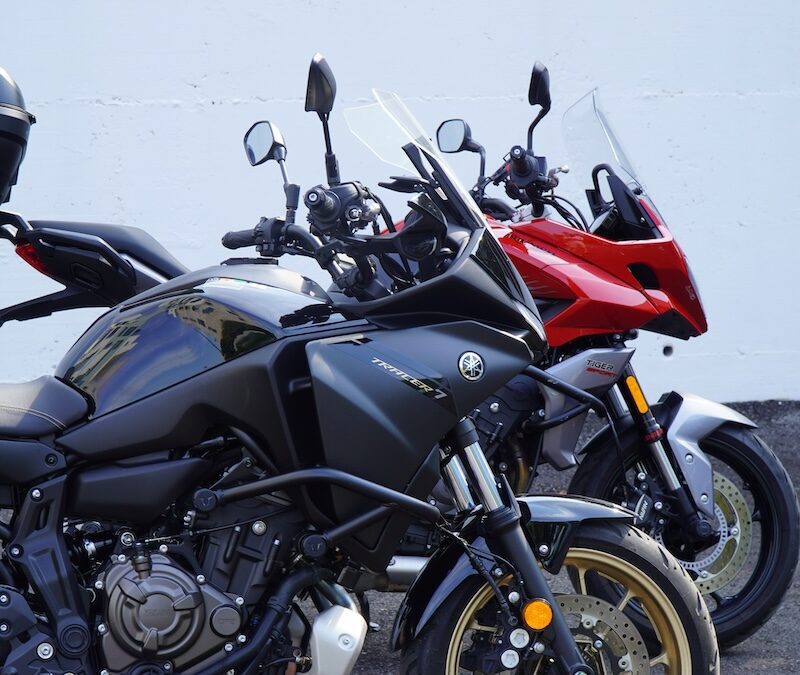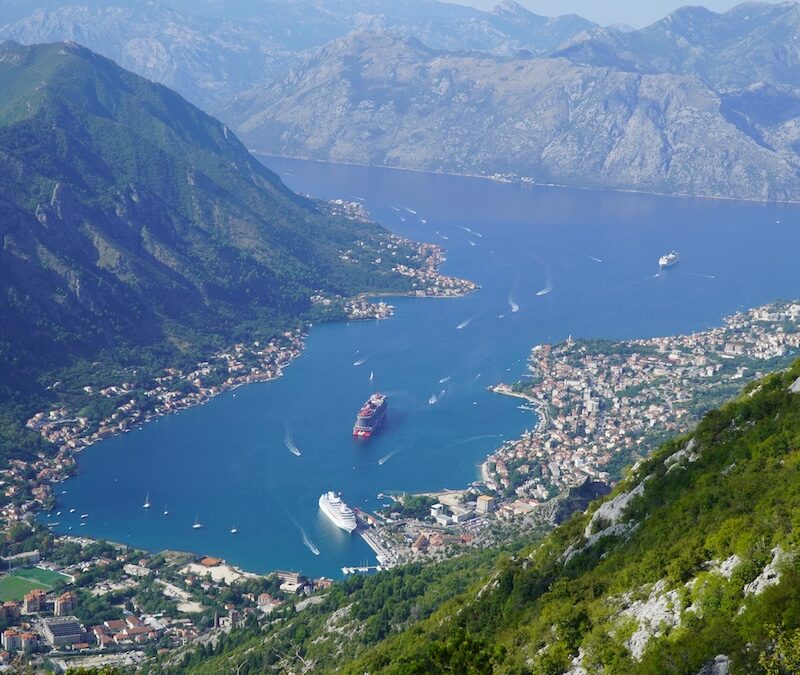
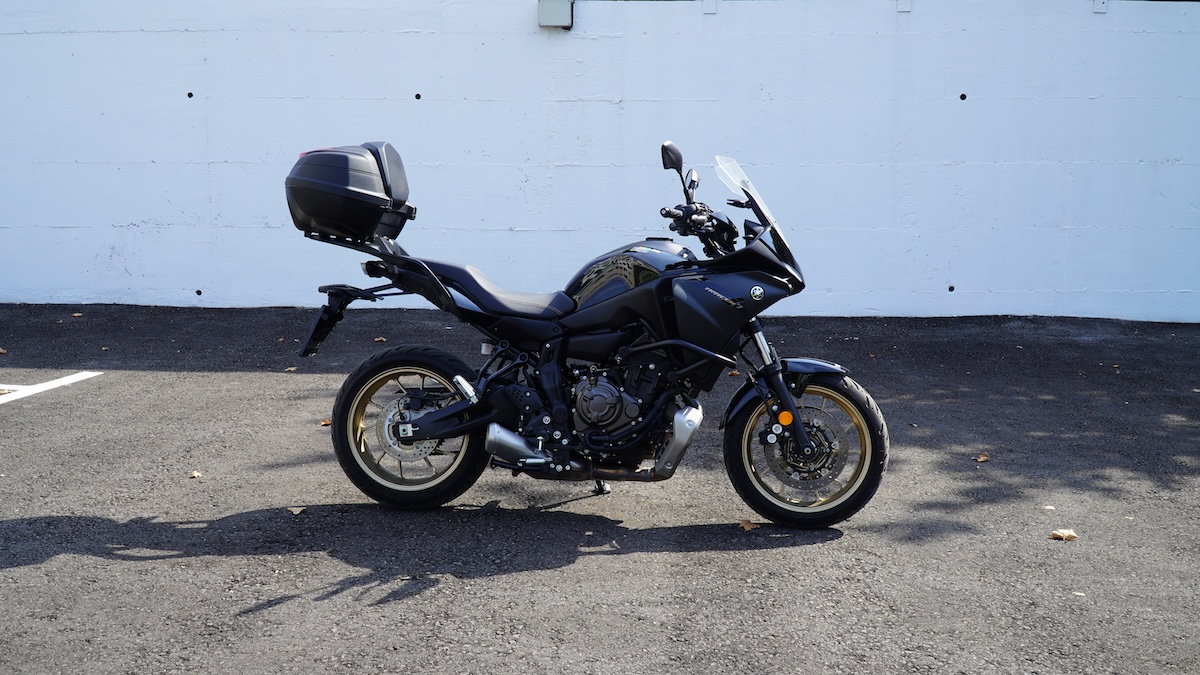
The Yamaha Tracer 7 is often overlooked. It lives in the shadow of the Tracer 9, the MT-07, and the Ténéré 700. After several years of real-world use, I can honestly say that my first impression of this motorcycle was wrong. Not only is the Tracer 7 a very capable touring machine, it is also one of the most underrated motorcycles in Yamaha’s lineup. This is not a first ride review and not a spec comparison. This is a long-term perspective based on years of riding, touring, and watching different riders use this motorcycle across the Balkans and Europe.
First Impressions vs Reality
When we first added the Yamaha Tracer 7 to our touring fleet in the Balkans, I wasn’t completely sure who this bike was really for. What I knew was simple: we needed smaller and lighter motorcycles, bikes suitable for shorter riders, and motorcycles with more moderate, usable power.
At that time, I saw the Tracer 7 as slightly underpowered, maybe too sporty in terms of suspension, and not a “proper” touring motorcycle. That opinion changed completely after several seasons of real use.
A Purely European Yamaha
One important thing many people don’t realize is that the Tracer 7 is a purely European motorcycle. While Yamaha is a Japanese brand, the Tracer 7 is: designed in Europe, developed in Europe, assembled in Europe, with only some parts and engineering coming from Japan.
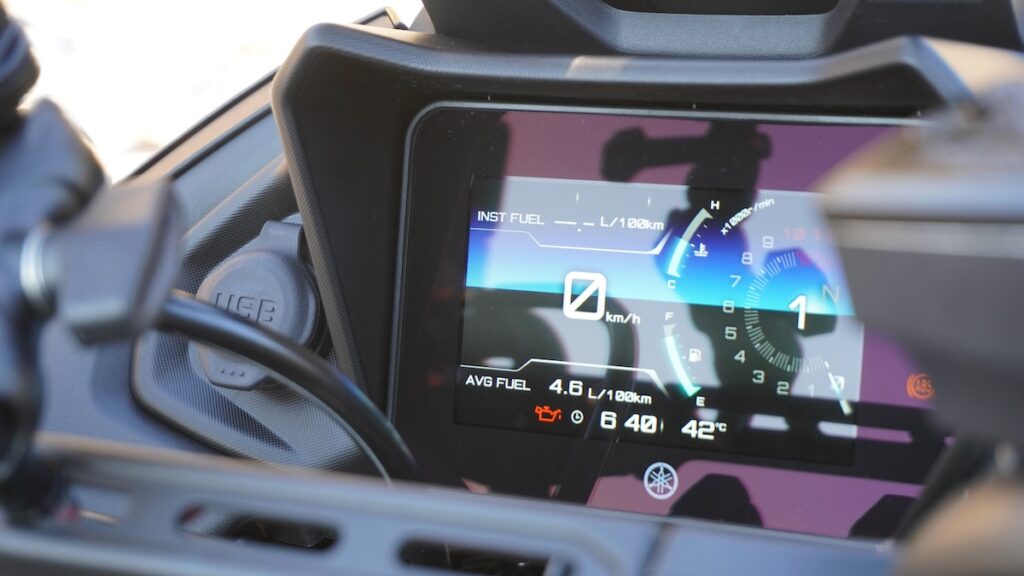
This makes a big difference. The Tracer 7 is built specifically for European conditions: cities, mountain roads, tight serpentines, and long-distance touring on paved roads. The generation discussed here was produced between 2021 and 2024, with a meaningful facelift in 2023. The facelift brought revised front suspension, improved brakes, a better digital dashboard, and several small but important refinements.
Real-World Touring Experience
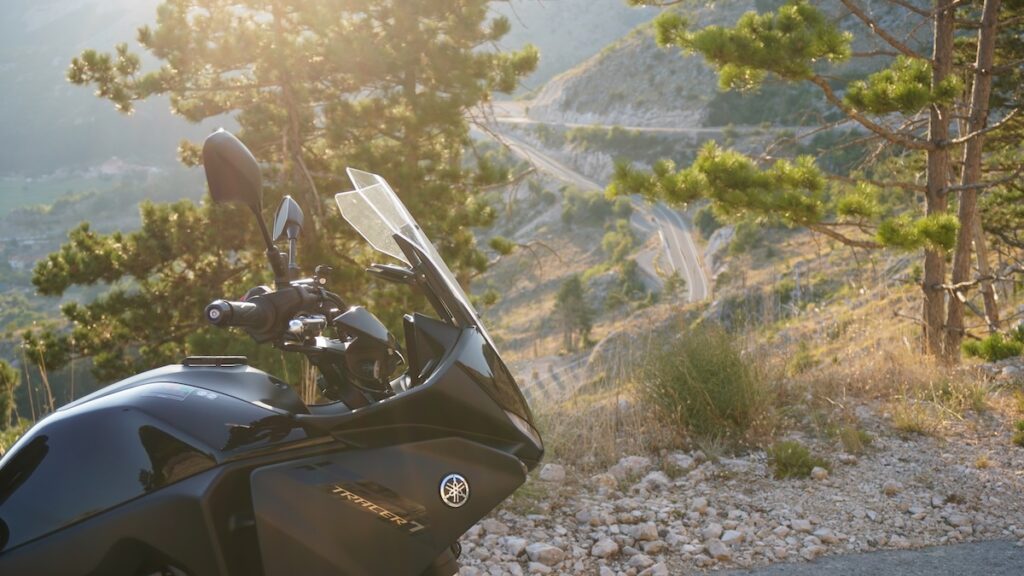
Over the years, these motorcycles have: crossed multiple Balkan countries, ridden perfect asphalt, handled poor road conditions, and even ended up on gravel when necessary. In every situation, the Tracer 7 performed flawlessly. Not just in terms of reliability, but in terms of overall rider experience. Most of our riders are between 50 and 70 years old, and interestingly, it’s the more experienced riders who appreciate this motorcycle the most. Several riders liked it so much that they bought a Tracer 7 after returning home. That alone says a lot.
Analog Riding Feel: A Strength, Not a Weakness
The Yamaha Tracer 7 offers a very analog riding experience. There are: no ride modes, no electronic throttle, no layers between the rider and the motorcycle.
For experienced riders, this direct connection is a huge advantage. You feel the engine, the throttle, and the road without filters. For riders coming from modern, heavily assisted motorcycles, this mechanical feeling can take some time to adjust to. That’s why I wouldn’t recommend the Tracer 7 as a first motorcycle for complete beginners. However, calling it an entry-level bike would also be wrong. The Tracer 7 is a motorcycle beginners can grow into, and at the same time a bike that many experienced riders choose deliberately because they want something lighter, simpler, and more honest.
Comfort, Suspension, and Long Days on the Road
Initially, I thought the Tracer 7 leaned more toward the sporty side. Once we learned how to properly set up the suspension, everything changed. Over time — especially since these bikes are often ridden fully loaded and sometimes with a passenger — the suspension became more compliant, more comfortable, and more usable. The result is a surprisingly comfortable touring motorcycle. I personally completed 700 km/day on the Tracer 7 without back pain or fatigue. That level of comfort is something you normally associate with much larger motorcycles.
CP2 Engine and Performance
The CP2 engine is one of Yamaha’s best creations. It is: easy to ride, friendly and forgiving, torquey, and full of character. If the Tracer 9 is more of a highway-focused touring machine, the Tracer 7 sits perfectly in the middle. It can tour, commute, carry luggage, ride two-up, and still feel light and agile.
On serpentine mountain roads, the Tracer 7 truly shines. The upright riding position combined with MT-07-like handling — but with a much better suspension setup — makes it extremely enjoyable on real roads.
Build Quality and Long-Term Durability
At first glance, the Tracer 7 may look simple. The materials don’t appear flashy or premium. But time tells a different story. After years of use: no squeaks, no rattles, nothing loose or out of place. Everything feels solid and robust. The bike gives a strong impression of proper materials and no cost-cutting in critical areas. It is clearly built to last.
Touring Setup: What to Add
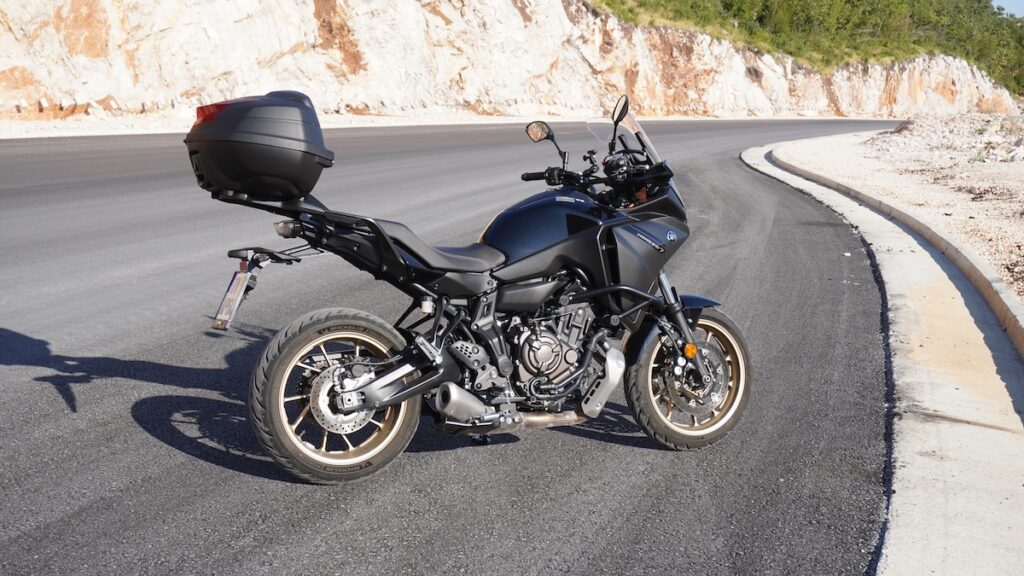
For touring purposes, a few upgrades are worth mentioning:
-
better wind protection is highly recommended,
-
heated grips are a very good addition.
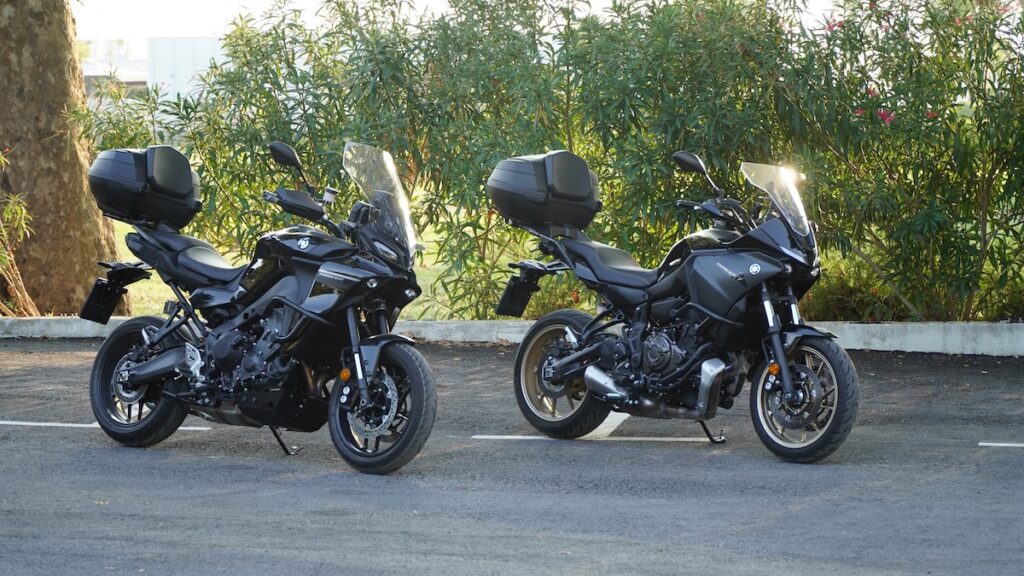
On this generation, heated grips were not standard, neither on the regular version nor on the GT version (this does not apply to the 2025 model). For riders focused on touring, the Tracer 7 GT makes more sense, as it comes standard with several useful comfort extras.
Tracer 7 vs Tracer 9
I often say this:
If you don’t need off-road capability and are looking for a road-focused alternative to the Ténéré 700 — or a touring version of the MT-07 — the Tracer 7 is the better choice.
Compared to the Tracer 9, it feels: significantly lighter, easier to manage, easier to live with, and less physically demanding.
This makes it especially attractive for experienced riders who have already owned large motorcycles and now want something more manageable and headache-free.
Final Thoughts
My first impression of the Yamaha Tracer 7 was wrong.
After years of real-world use, I can confidently say that this is an underrated, overlooked, and fantastic touring motorcycle. It doesn’t try to impress with numbers or technology. It simply works — everywhere.
And sometimes, that’s exactly what experienced riders are looking for.