Some time ago, I shared my experience with the Triumph Tiger Sport 660, and I was genuinely impressed by the bike. In my opinion, it is one of the best middleweight — or even lightweight — sport-touring motorcycles available today.
What stood out immediately was the riding experience. The handling is excellent, the bike feels well balanced, and overall it rides in a very confident and premium way. While the finishing is not the most luxurious on the market, all elements are well put together. Yes, you may notice some plastic sounds while riding, but nothing that affects the overall quality feeling. On the road, the bike feels solid and refined.
The engine was another strong point. It offers enough torque and power for almost every real-world riding scenario. I also equipped the bike with full panniers and a top box, turning it into a very capable travel machine.
That said, there were a few things I didn’t fully like on the 660.
The front suspension is not adjustable, which felt like a limitation. The front plastics looked a bit thin and less premium, although I never had any real issues with them. And finally — the seat. Seat comfort is very personal, but for me it wasn’t ideal. I later solved this by installing a comfort seat, which made a big difference.
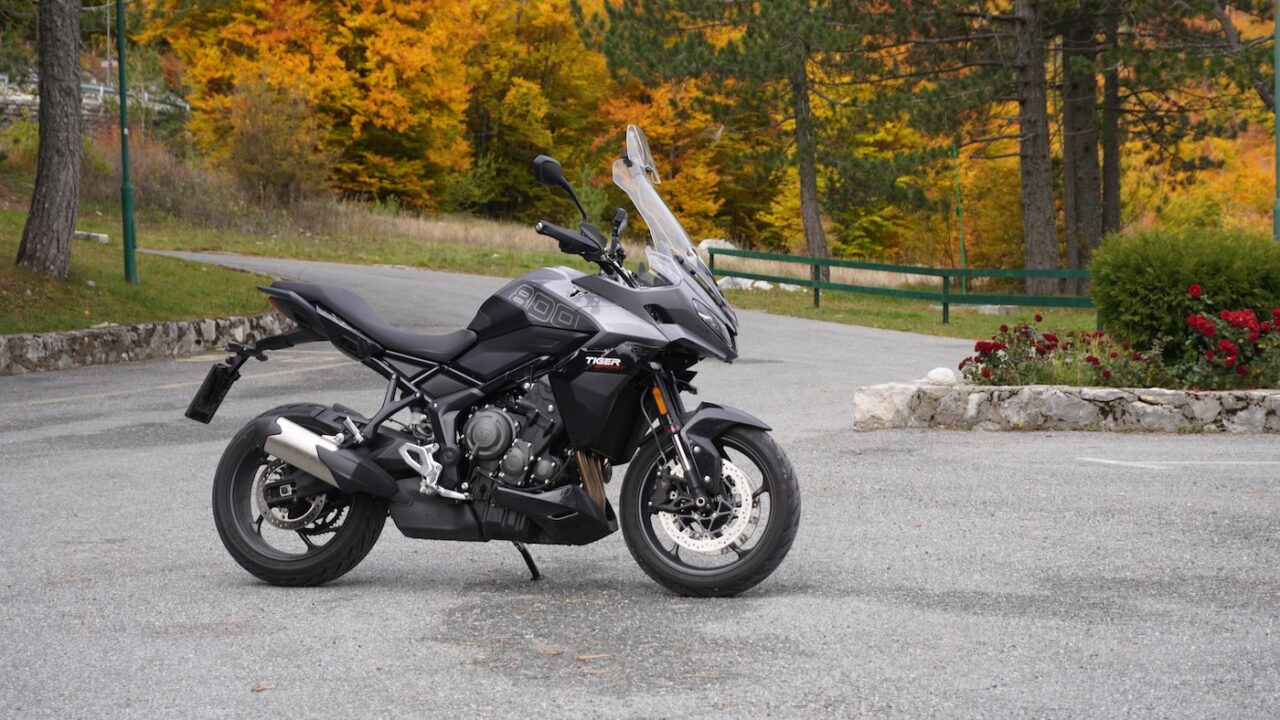
Enter the Triumph Tiger Sport 800
When the Tiger Sport 800 was introduced, I was genuinely curious. It uses the same chassis and overall concept as the 660, but with more power and a slightly more mature feel. However, the price is also higher — around €2,500–3,000 more in Europe.
With that extra cost, you get:
Adjustable suspension
Better brakes
Slightly more electronics
A more powerful engine
At first, I questioned whether it really made sense. The bike is the same size, the concept is very similar, and the overall finishing is not dramatically different from the 660. So why pay more?
Who Is the Tiger Sport 800 For?
The answer became clear once I rode it.
The Tiger Sport 800 is a great option for experienced riders who want to downsize from bigger, heavier motorcycles — such as large BMW GS models, Ducati, or similar bikes. These riders often want something:
More compact
Easier to use
Lighter and less intimidating
With fewer gimmicks and a purer riding experience
For this audience, the 660 was very good — but it missed some premium features that riders coming from high-end bikes expect, such as adjustable suspension, stronger brakes, and more power. This is exactly where the 800 fits perfectly.
Final Thoughts
Both the Tiger Sport 660 and 800 are excellent motorcycles. The real question is not which one is better — but which one fits your priorities.
In my video review, I share my full riding impressions and explain in detail whether the 660 or the 800 makes more sense, depending on your riding style, experience, and expectations.
Watch the full video review on YouTube.