The motorcycle industry is changing. Not because engines are getting bigger or electronics are becoming more advanced—but because riders themselves are changing.
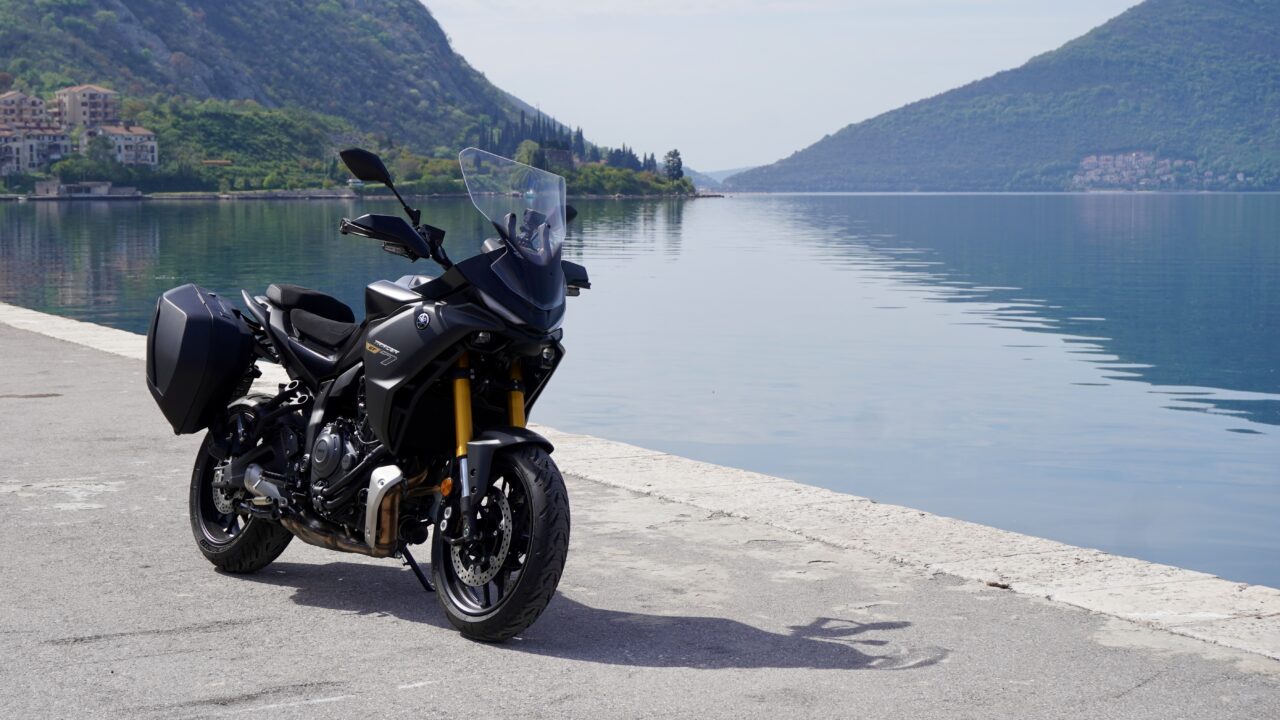
The latest Yamaha Tracer 7 GT perfectly illustrates this shift. It is no longer just an affordable touring bike. It represents a new generation of middleweight motorcycles designed for riders who value versatility, practicality, and real-world riding over outright horsepower.
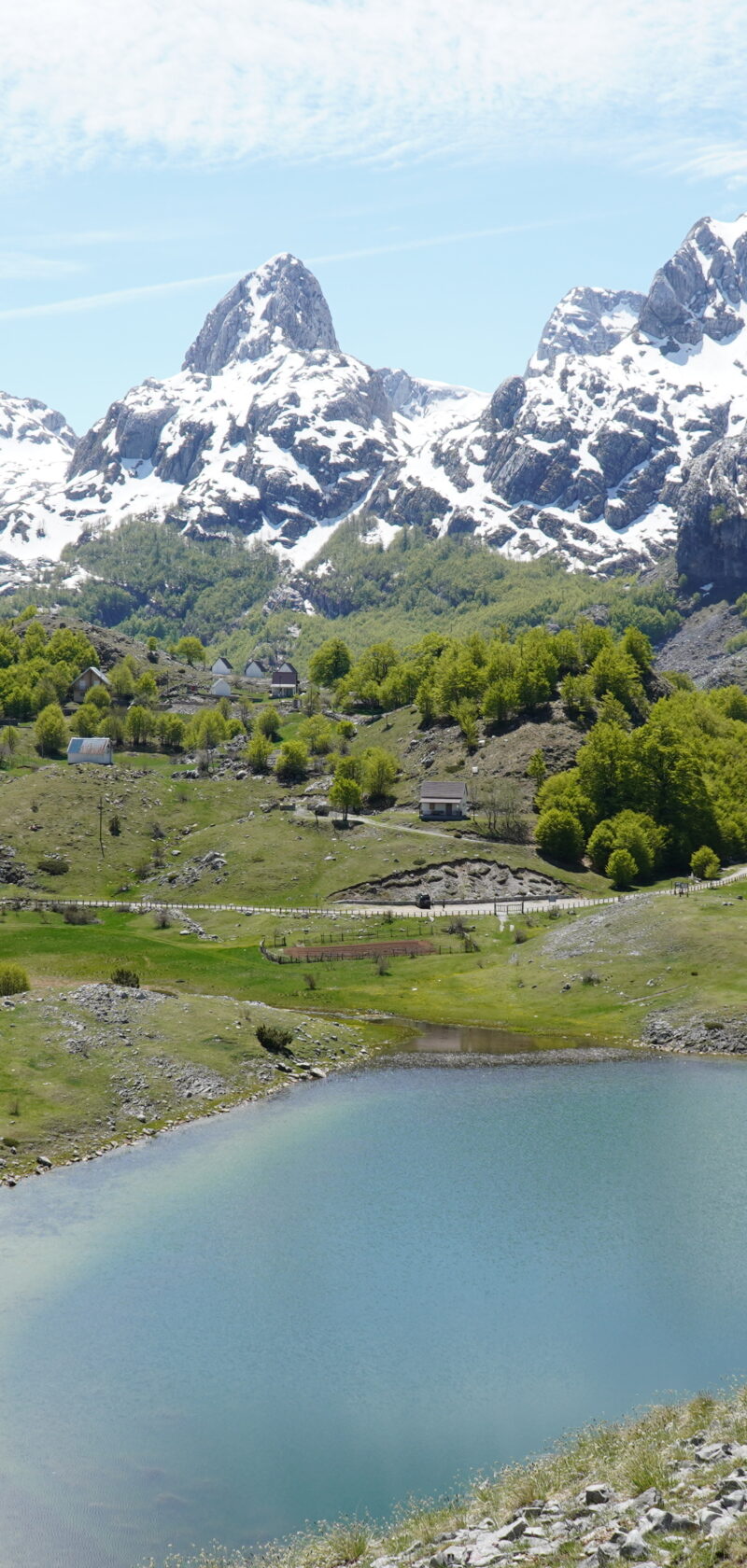
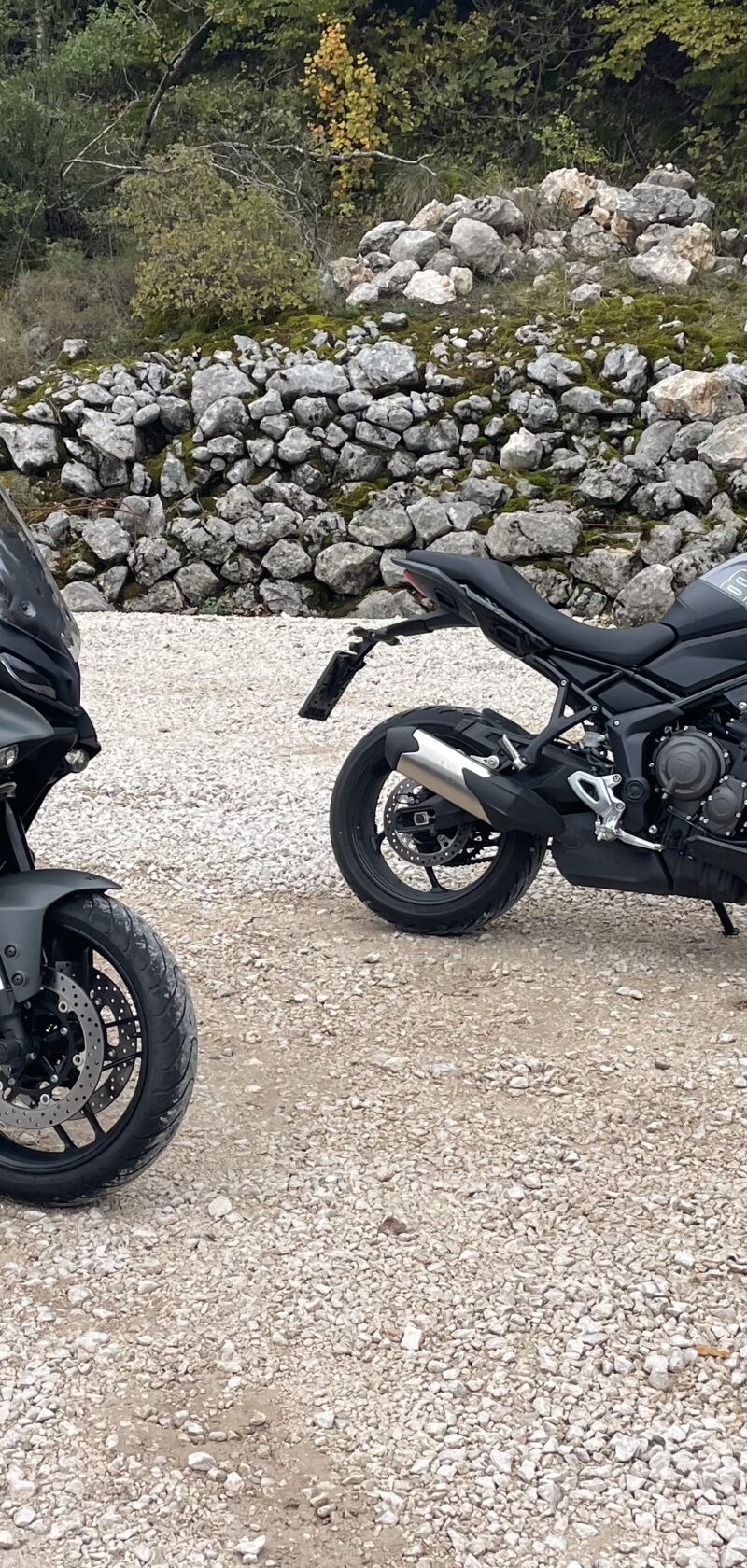
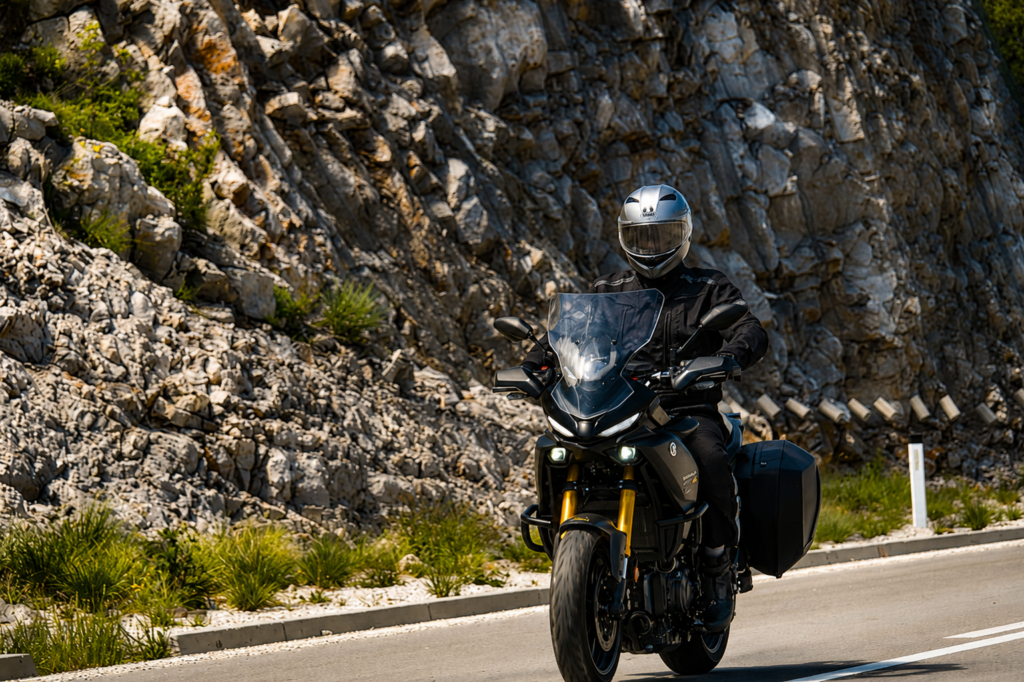
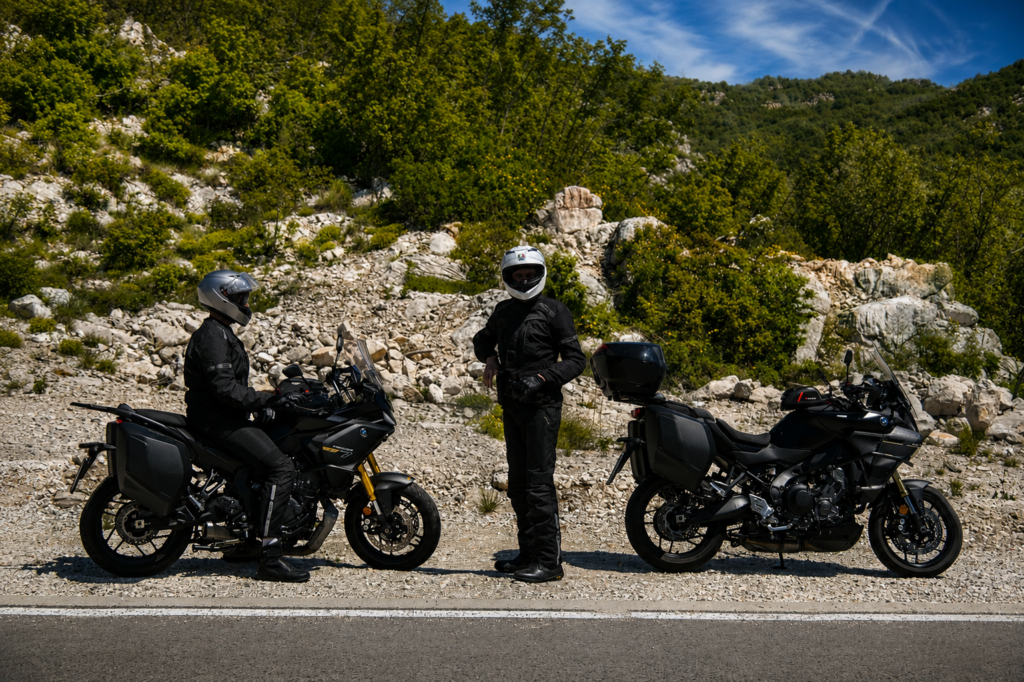
After spending time with the new Tracer 7 GT on the mountain roads of Montenegro, I believe this motorcycle explains exactly why the middleweight category is becoming the most exciting segment in motorcycling today.
A European Motorcycle with Japanese DNA
Although it wears a Yamaha badge, the Tracer 7 GT is very much a European motorcycle. It was designed in Europe, developed for European roads, and built in Europe. Only some major components, including its famous CP2 engine, come from Japan. That makes perfect sense.
European riders spend much of their time on narrow mountain roads, coastal routes, villages, and twisting backroads—not endless highways. A motorcycle for this environment doesn’t need massive power. It needs balance. The Tracer 7 GT was created precisely for that purpose.
Why the Middleweight Segment Is Becoming So Important
The motorcycle market has always been divided into three groups.
Entry-level motorcycles – affordable bikes focus on value. Manufacturers compete by offering reliable motorcycles at the lowest possible price. Premium suspension, advanced electronics, and expensive components are rarely priorities.
Premium motorcycles – at the opposite end are motorcycles costing €20,000–30,000 or more. Here, buyers usually aren’t comparing specifications anymore. Most flagship motorcycles already offer every electronic aid imaginable. Instead, riders often stay loyal to brands they already trust.
Middleweight motorcycles – This is where the real competition happens. Motorcycles between roughly 600 and 900cc have one of the hardest jobs in the industry. They must satisfy two completely different groups of riders.
The first group is upgrading from smaller motorcycles and wants something approachable, reliable, and reasonably priced. The second group is coming from much larger machines and wants to downsize without sacrificing comfort, technology, or touring capability. Finding the perfect balance between those two expectations isn’t easy.
Why More Riders Are Downsizing
One of the biggest trends in today’s motorcycle world is aging riders. Several decades ago, the average motorcycle owner was in their late twenties. Today, the average rider is over 50. Many experienced riders have already owned litre bikes, adventure motorcycles, touring machines, and sports bikes. Eventually, many reach the same conclusion: They no longer need the biggest engine. They want something lighter. Simpler. More practical. More enjoyable on real roads. That is exactly where motorcycles like the Yamaha Tracer 7 GT fit.
Yamaha Finally Modernised the Tracer 7
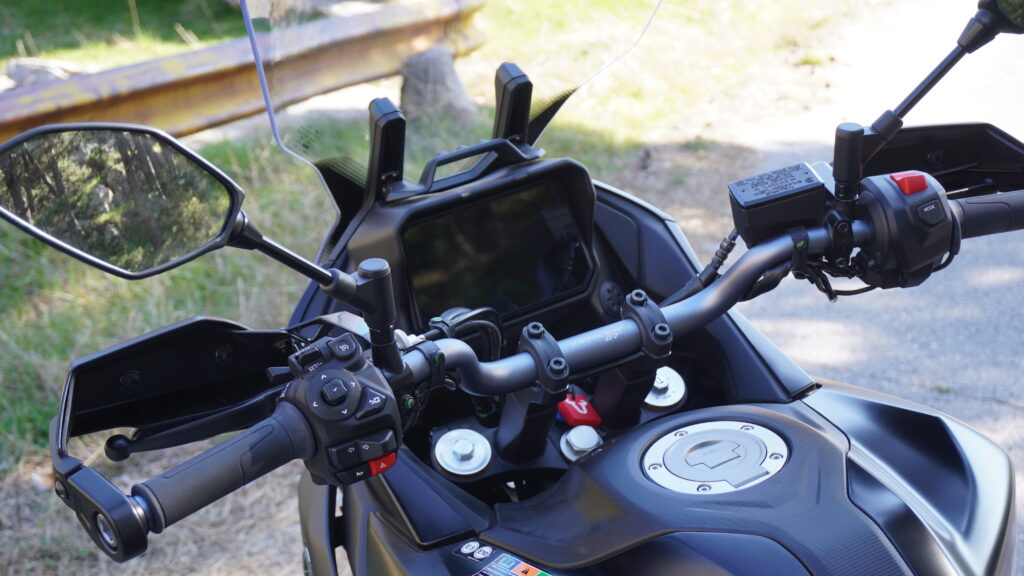
The previous Tracer 7 was always a good motorcycle. Reliable. Simple. Fun. But compared to newer competitors, it had begun to show its age. The latest generation changes that dramatically. Yamaha has updated almost every important area while keeping everything riders already loved about the CP2 platform.
Some of the biggest improvements include:
- Improved KYB suspension front and rear
- Stronger braking system derived from the Tracer 9
- Ride-by-wire throttle
- Multiple riding modes
- Adjustable traction control
- Cruise control
- TFT display with smartphone connectivity and navigation
- Slip-and-assist clutch
- Adjustable seat height
- Better handguards
- External rear preload adjuster
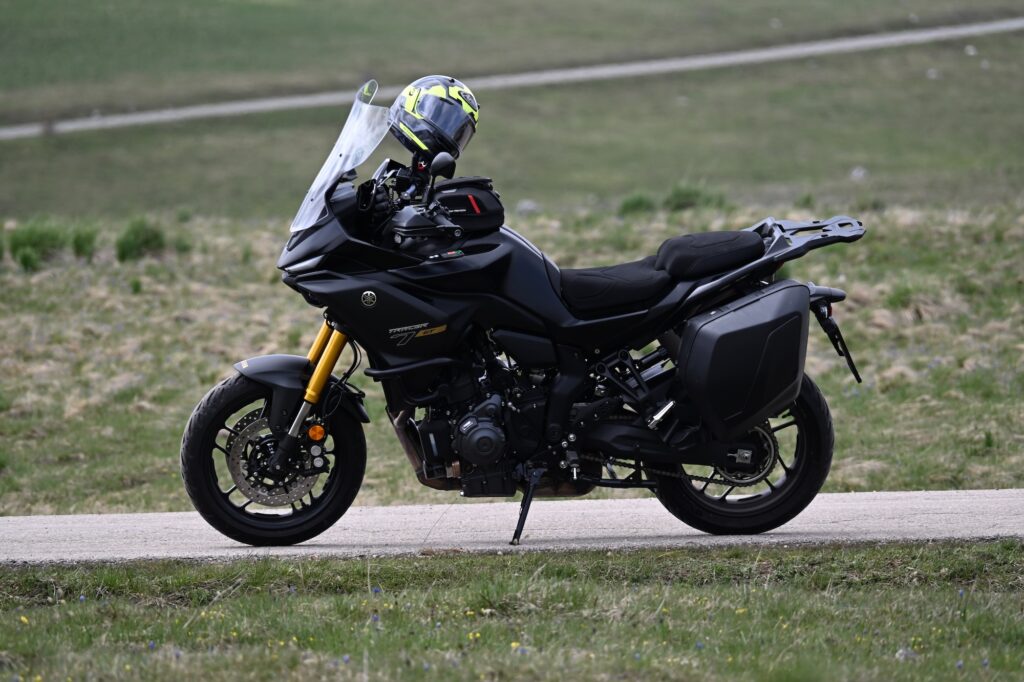
- Practical touring equipment including centre stand and panniers
Rather than reinventing the motorcycle, Yamaha refined nearly every part of it.
The CP2 Engine Still Steals the Show
The heart of the Tracer 7 GT remains Yamaha’s legendary CP2 parallel twin. This engine has already proven itself in motorcycles such as the:
- MT-07
- R7
- Ténéré 700
- XSR700
There’s a reason Yamaha continues using it. It delivers strong torque throughout the rev range, feels lively at everyday speeds, and encourages riders to enjoy every corner rather than chase top speed. On mountain roads, it often feels much faster than the speedometer suggests. That playful character is exactly what makes the CP2 platform so addictive.
Surprisingly Comfortable for Tall Riders
At 188 cm (6’2”), I often find middleweight motorcycles cramped. The Tracer 7 GT was different. The upright riding position, wide handlebars, generous legroom, and overall ergonomics make it feel much larger than its engine size suggests. In many ways, it feels closer to an adventure motorcycle than a traditional sports tourer. It is lightweight, but it never feels small.
Where the Tracer 7 GT Beats the Tracer 9
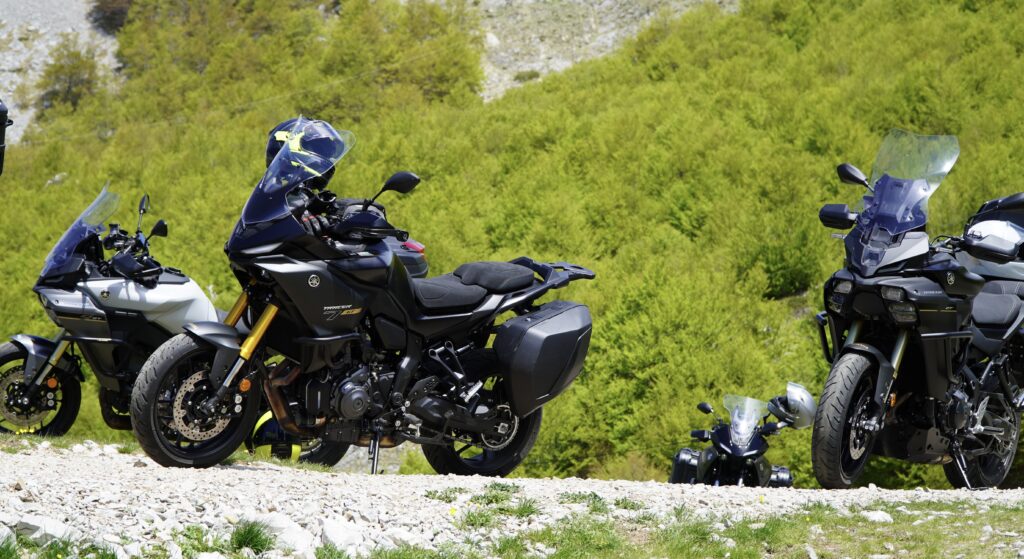
Many people ask whether they should choose the Tracer 7 GT or the larger Tracer 9. The answer depends entirely on where you ride. On fast highways and long-distance touring, the Tracer 9 remains the more sophisticated machine. But on tight mountain roads filled with hairpins and constant direction changes, the Tracer 7 GT often feels more enjoyable.
Its advantages are clear:
- Lower weight
- Shorter wheelbase
- Excellent low-end torque
- Greater confidence through corners
- Easier handling
Combined with the upgraded suspension and stronger brakes, it becomes an incredibly capable motorcycle for technical roads.
Built for Real Roads
The Tracer 7 GT feels perfectly suited to the roads it was designed for. The narrow mountain passes. The Adriatic coastline. Small villages. Twisting backroads. This is where middleweight motorcycles shine. You rarely need 150 horsepower. You need usable torque, confidence, comfort, and enough technology to make every ride enjoyable. The Tracer 7 GT delivers exactly that.
The Future of Touring?
Manufacturers are paying increasing attention to this category. Suzuki has the V-Strom 800. Triumph offers the Tiger Sport 800. Other brands are expanding their middleweight lineups as well. That isn’t a coincidence. As riders increasingly prioritise versatility over outright performance, this category will only become more important. The new Yamaha Tracer 7 GT demonstrates exactly how manufacturers are responding. It combines modern electronics, improved comfort, premium components, and approachable performance without becoming prohibitively expensive.
Final Thoughts
The new Yamaha Tracer 7 GT isn’t trying to replace litre-class touring motorcycles. Instead, it offers something many riders eventually realise they want more. A motorcycle that’s light enough to enjoy every corner. Comfortable enough for long trips. Modern enough to feel premium. And practical enough to use every day.
If the previous Tracer 7 was simply an evolution of the MT-07, the latest Tracer 7 GT has finally matured into a genuine sport-touring motorcycle in its own right. For many riders, this won’t be a compromise. It will simply be the smarter choice.
Thinking about a motorcycle tour in Montenegro?
The Yamaha Tracer 7 GT is one of the motorcycles available through Montenegro Ride and has quickly become one of my favourite bikes for exploring the Adriatic coast and the mountain roads of the Western Balkans. If you’re curious how it performs in real touring conditions, keep following for more long-term updates and ride reports.