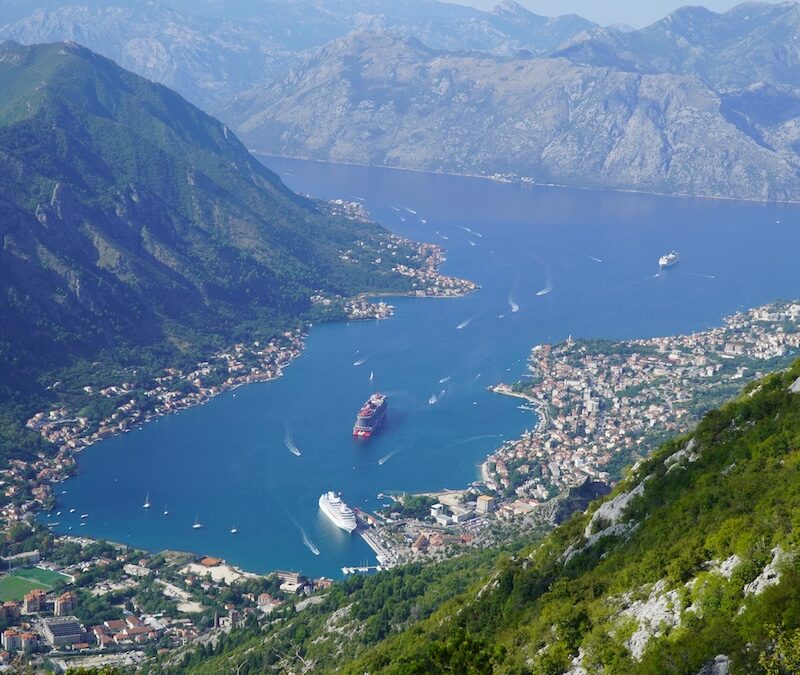
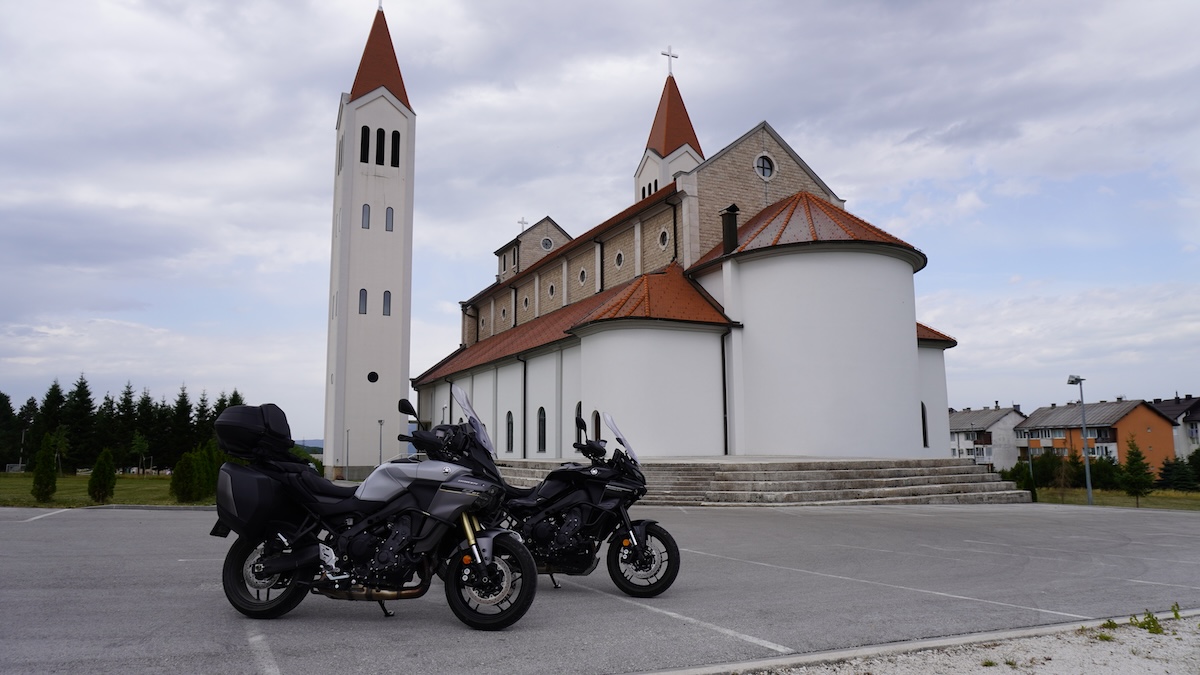
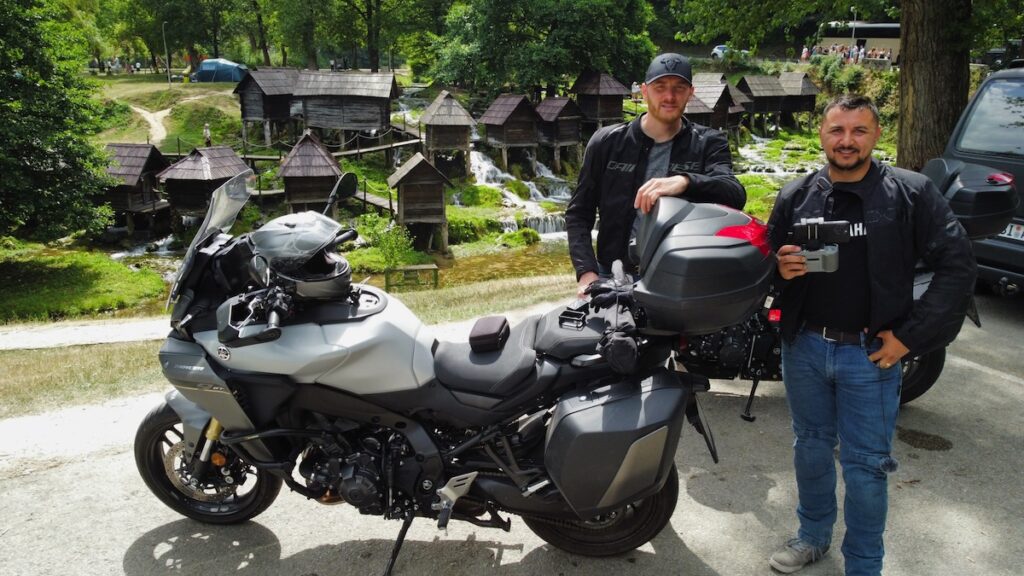
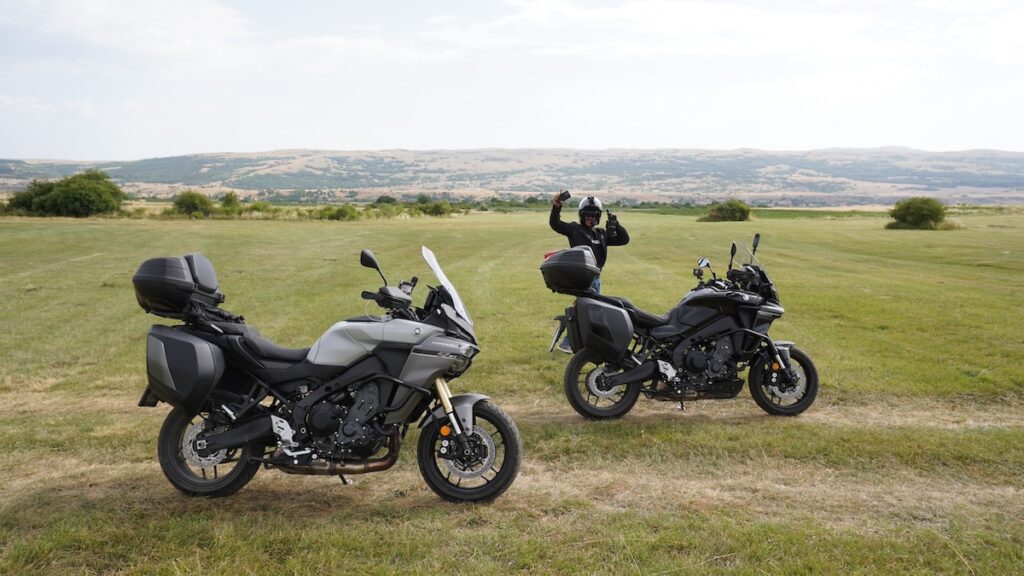
This article wasn’t planned as a comparison. A friend of mine, Alin, flew in from the UK for a few days of riding across Bosnia and Herzegovina. The idea was simple: ride together, enjoy the roads, spend time on motorcycles, without pressure or expectations. But once we started preparing the trip, something became obvious. Both of us ride Yamaha Tracers. Alin owns a Tracer 9 GT back home, and I’ve spent a lot of time riding different versions of the Tracer 9 — both the previous generation and the new one.
So at some point we said: Why don’t we just take two different Tracers and see how they actually feel next to each other? No spreadsheets. No spec battles. Just riding. Over a few days, we covered around 1,500 kilometres (about 930 miles) — mountains, canyons, highways, small roads, broken asphalt, heat, rain. A bit of everything.
And during the ride, naturally, we kept talking — at fuel stops, in the evenings, while swapping bikes. That’s where this comparison really comes from.
Previous Generation: Why the Bikes Felt So Close
I’ve said this before in earlier videos, but riding again confirmed it very clearly. With the previous generation, the bikes were extremely close to each other. On the road:
-
suspension feels very similar
-
handling feels the same
-
engine performance is identical
People often say: “Yes, but the GT has more technology.” On paper, that’s true. But when you ride these bikes back to back, day after day, you realize something important — they feel almost identical in real riding. Alin confirmed this immediately. After riding a regular Tracer 9, his reaction was very simple: “There is no difference.” And I understand exactly what he means. Yes, semi-active suspension can sometimes feel slightly nicer. But conventional suspension has a huge advantage: predictability. It behaves the same way every time — and many experienced riders actually prefer that.
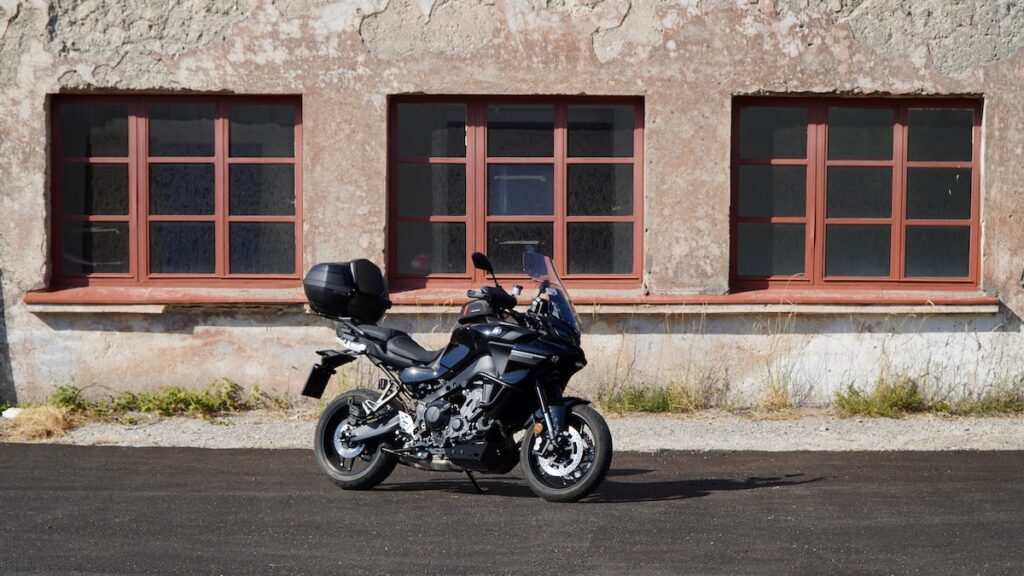
Why Many Experienced Riders Prefer Simplicity
This is something I hear constantly from riders who come to Montenegro to ride with us. Especially people who’ve been riding motorcycles for many years. They often say: “Simple is better.” Not because they dislike technology — but because they know what they want. They want:
-
a bike that behaves the same way every time
-
no surprises
-
no settings they don’t really understand or use
With a proper suspension setup, a base bike performs extremely well. That’s why, for years, I’ve been saying: If you don’t really need the tech, just take the base Tracer 9. You still get:
-
the same engine
-
the same chassis
-
the same safety systems
And on top of that:
-
you save a lot of money
-
you only add accessories you actually need
In Europe, the price difference between a base Tracer 9 and a GT+ can be €6,000–7,000. That’s not a small gap. Electronics are great — if you use them. If not, they’re just there.
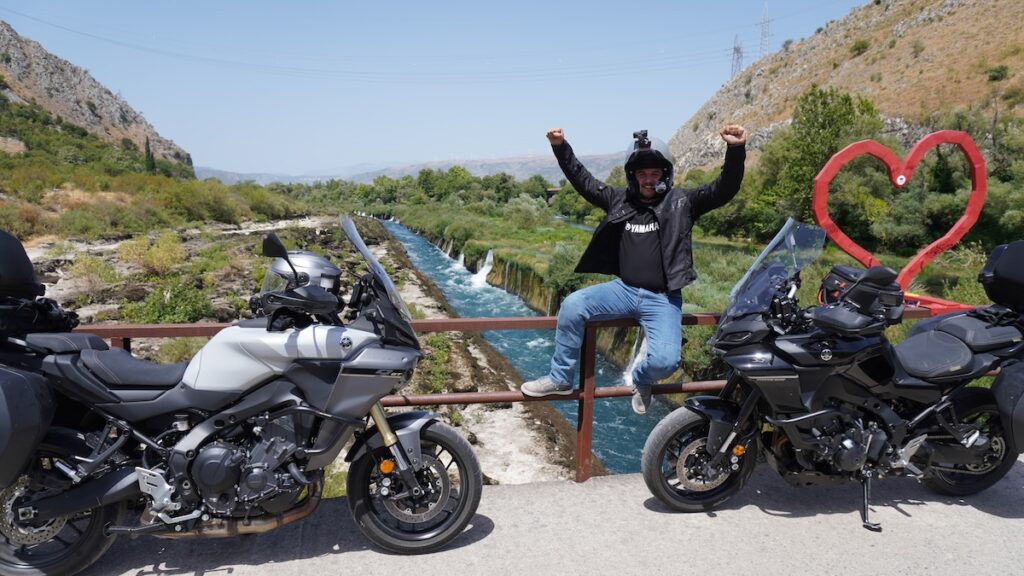
Real Riding & Exploration: Where the Tracer 9 Shines
Scouting roads in Montenegro, Bosnia, Albania, Serbia, or Croatia is very different from a planned holiday tour. Sometimes:
-
you don’t know where the road goes
-
asphalt suddenly disappears
-
weather changes quickly
-
you might drop the bike
In those moments, what matters most is:
-
less electronics
-
maximum reliability
-
a bike that simply starts and works
-
and can be fixed easily if needed
This is where the Tracer 9 platform really surprised me over the years. It’s often underrated and misunderstood. But the truth is: you can build many different motorcycles on top of this one base.
Tracer 9 Tour Pack vs Tracer 9 Explore Pack
In our fleet, we don’t just have “a Tracer 9”. We work with two different concepts.
Tracer 9 Tour Pack – Comfortable, practical, and great for long-distance road travel. But it keeps a more conventional setup, which many riders actually prefer.
Tracer 9 Explore Pack – This one was built with a very specific idea in mind. A more durable, more robust Tracer — something you don’t baby. A bike you can take:
-
onto narrow mountain roads
-
over broken asphalt
-
into remote regions
-
and sometimes even onto light gravel
In a way, we tried to get closer to what many people imagine when they think about a Super Ténéré — because Yamaha doesn’t really have that bike in the lineup anymore.
With proper protection:
-
crash bars
-
skid plate
-
stronger panniers
And the right tyres, like Dunlop Mutant or Pirelli Scorpion Trail, this bike becomes surprisingly capable. Interestingly, some riders actually prefer this setup over GT or GT+ — because it’s:
-
more practical
-
more scratch-resistant
-
more stress-free
You don’t worry. You just ride.
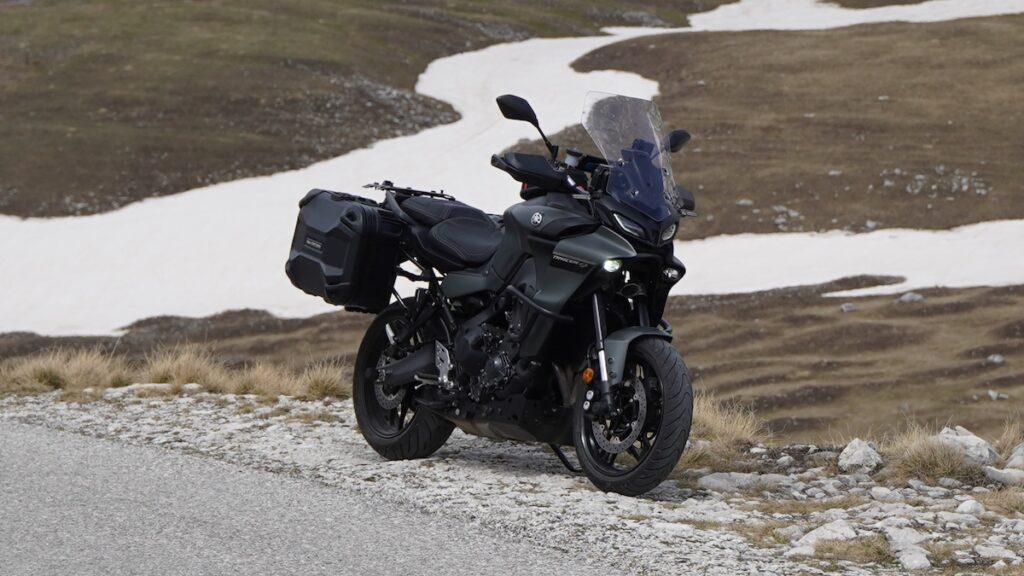
New Generation (2025): A Clear Shift Toward Touring
Starting from 2025, Yamaha introduced a fully updated lineup for:
-
Tracer 9
-
Tracer 9 GT
-
Tracer 9 GT+
And now the differences between models are much more noticeable. But the biggest change isn’t just technology — it’s how the bike feels.
Ergonomics & Riding Position
On the new generation:
-
you sit higher
-
you feel more on top of the bike
-
the position is more relaxed and touring-oriented
On the previous generation:
-
you sit more inside the bike
-
the tank feels higher
-
you hug the bike more with your legs
-
it feels sportier
Neither is better or worse — they’re simply different. But clearly, Yamaha moved the Tracer closer to touring comfort.
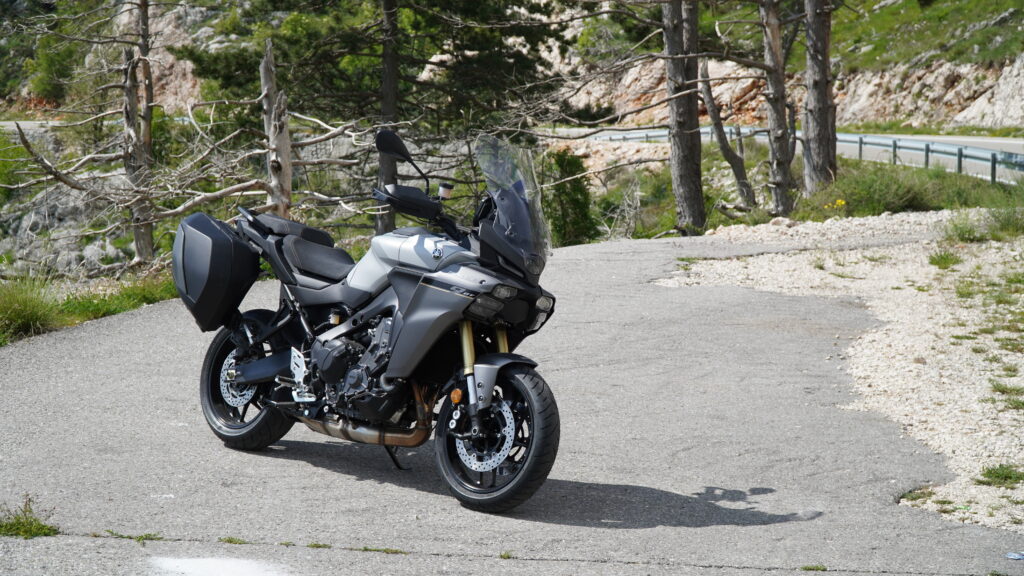
Riding Impressions: Highways vs Twisties
On highways, the new generation feels more stable and planted, especially at speed. On twisty roads, both bikes are excellent. But the previous generation turns in a bit quicker and feels slightly more playful. It’s not a huge difference — but you notice it. For me, the previous generation still has a bit more sporty DNA.
Brakes, Wind, Rain, and Real-Life Use
Braking performance is very similar overall. The difference comes with automatic versions and the GT+, which have linked braking systems. Even if you use only the front or rear brake, the bike helps you brake more efficiently. Wind and rain protection is better on the new generation. The front is wider, and your lower body is better protected. You can clearly see this when the bikes stand next to each other — and you feel it in the rain, with much less water hitting your legs.
Wind buffeting, however, is still a topic. For me, it’s fine. For Alin, it’s not great. And judging by feedback from other riders, some are still unhappy with the stock windscreen — so aftermarket options will likely be the solution for certain people.
Tyres, Weather, and Ride Modes
Both bikes ran Bridgestone T32 tyres, which come as standard on Tracers. We rode in:
-
extreme heat (43–44°C)
-
cooler, cloudy days
-
rain
Grip was excellent. No issues. Nothing dramatic — which is exactly what you want. Thanks to ride modes, it’s easy to adapt the bike on the fly depending on conditions. This is one area where the new generation really improved. On the previous generation, everything was based on numbers. You had to remember what each setting meant — and adjusting things on the go wasn’t intuitive. On the new generation, it’s much simpler:
-
Rain
-
Street
-
Sport
-
Custom
Switch the mode, and the bike automatically adapts suspension, traction, and throttle response. On GT and GT+, you can even switch off electronic suspension, giving you a more analog and predictable feel if you want it. Add connectivity, mobile app setup, and multiple profiles — and the whole system becomes genuinely useful, not just fancy.
Final Thoughts
After riding, swapping bikes, and talking every day, one thing became clear. The new generation offers a more relaxed, touring-focused experience with smarter, genuinely usable technology. The dash, navigation integration, and matrix headlight all make long-distance riding easier and less stressful. The previous generation, on the other hand, feels more sporty and more connected. It’s more of a true sport-tourer — agile, engaging, and simpler. If you’re choosing between a 2025 model and a previous generation, especially if you can get a good deal on either:
-
If you ride long distances, spend more time on highways, and want modern tech — the new generation makes more sense.
-
If you love mountain roads, twisties, simplicity, and don’t care much about fancy extras — the previous generation will still make you very happy.
But the most important thing is this: There is no bad Tracer 9. Old or new. Base or GT. The real question isn’t which one is better — it’s which one fits the way you ride. And that’s exactly why we wanted to share this ride.